Prostate
The prostate is a small, round gland in men that helps in the production of ejaculate.
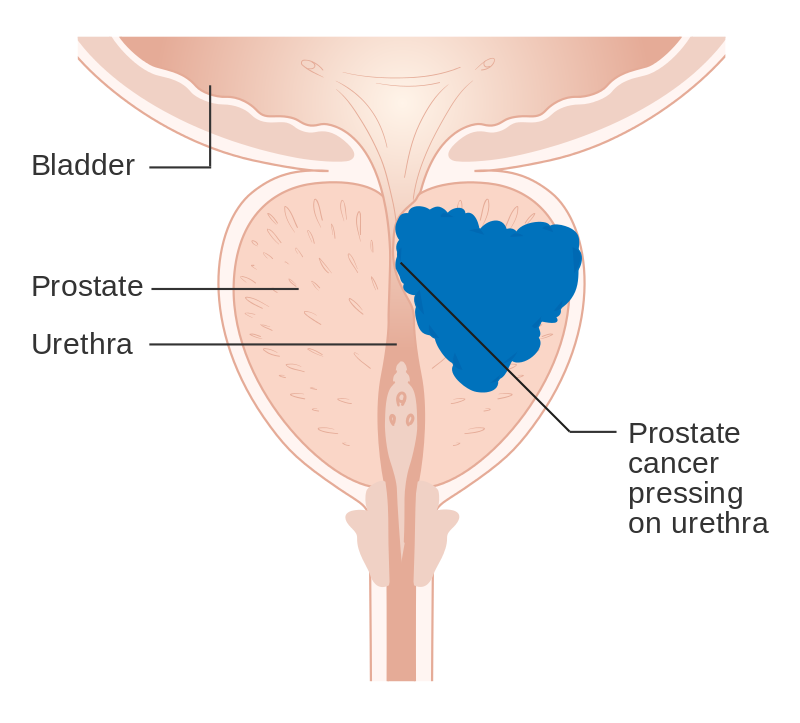
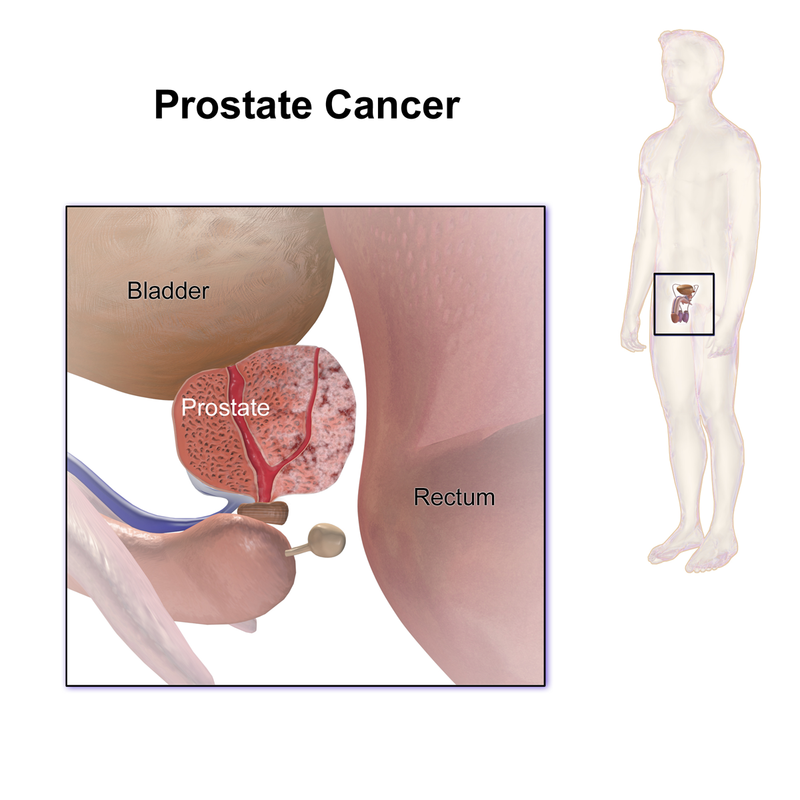
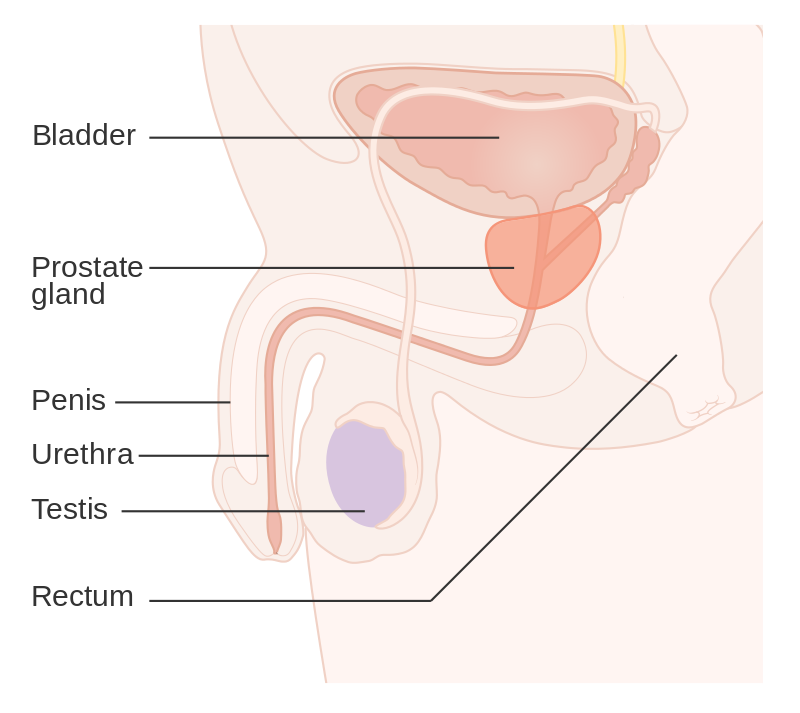
The prostate is located at the base of the bladder and surrounds the urethra.
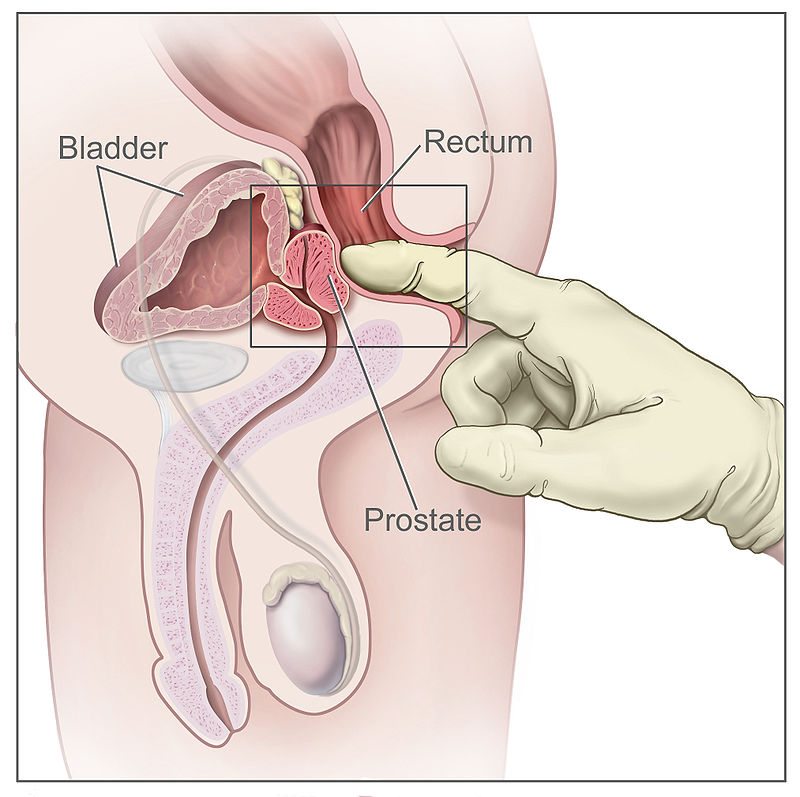
Since the prostate is anterior to the rectum, the posterior aspect of the prostate can be palpated using a digital rectal exam (DRE).
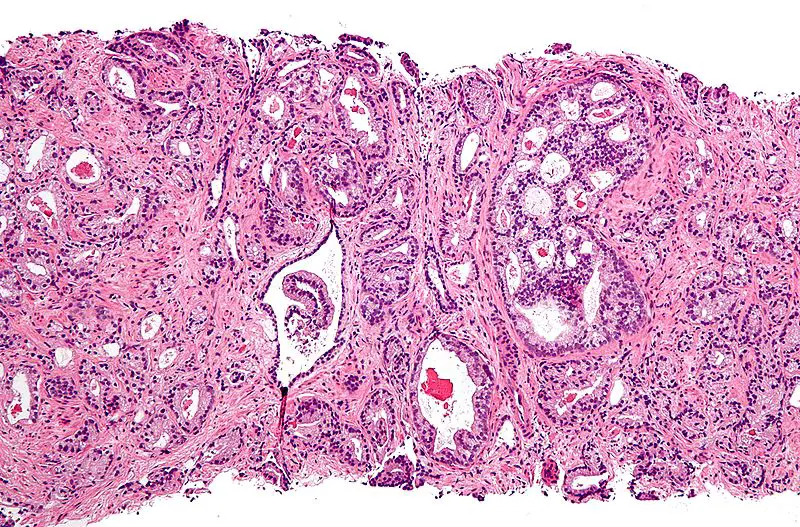
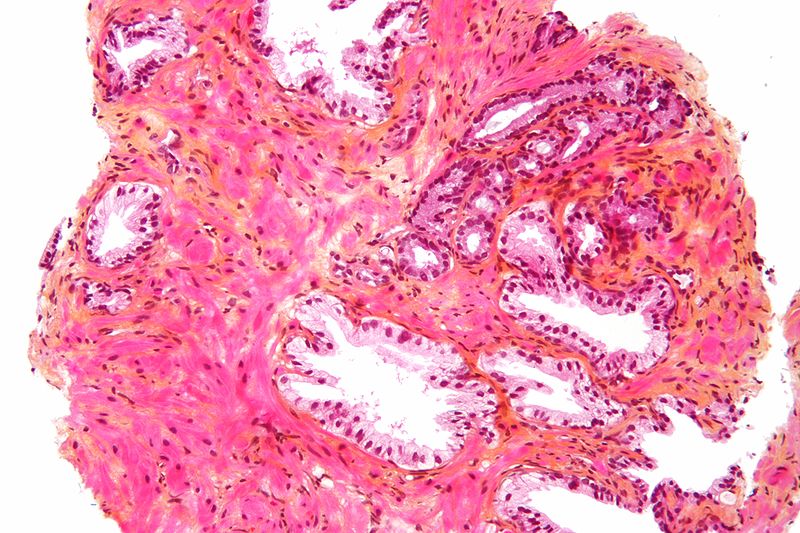
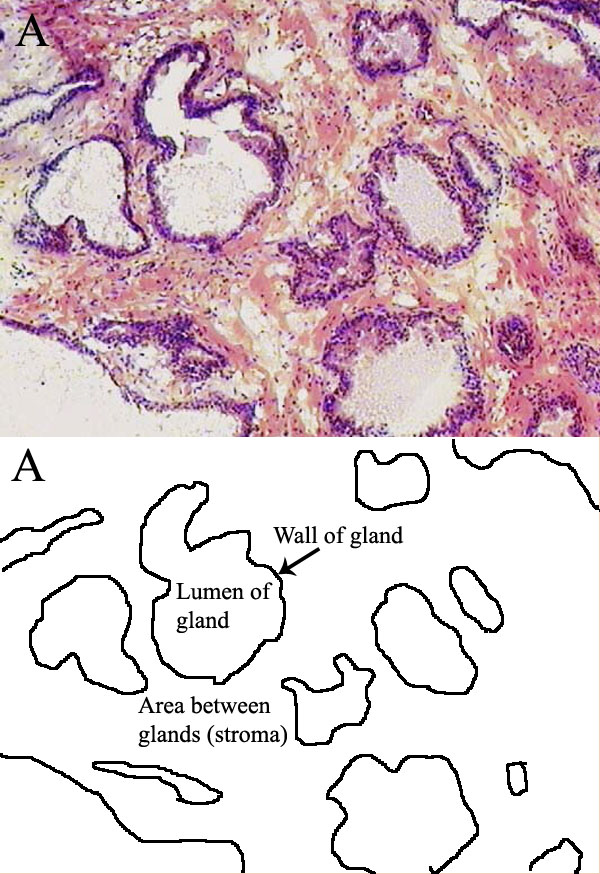
The prostate consists of glands and stroma.
An inner layer of luminal cells and an outer layer of basal cells make up a prostate gland.
The prostate secretes an alkaline, milky fluid that combines with sperm and seminal vesicle fluid.
Prostate pathology includes:
- Acute prostatitis
- Chronic prostatitis
- Benign prostatic hyperplasia (BPH)
- Prostate adenocarcinoma
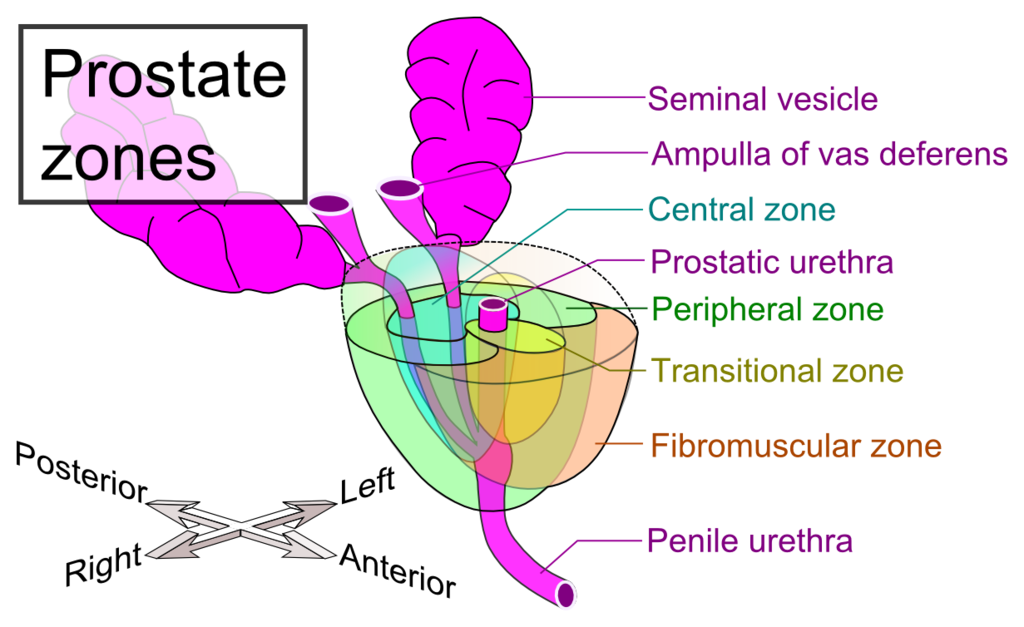 Prostate. Zones of prostate Mikael Häggström, M.D. Not altered. CC0
Acute Prostatitis
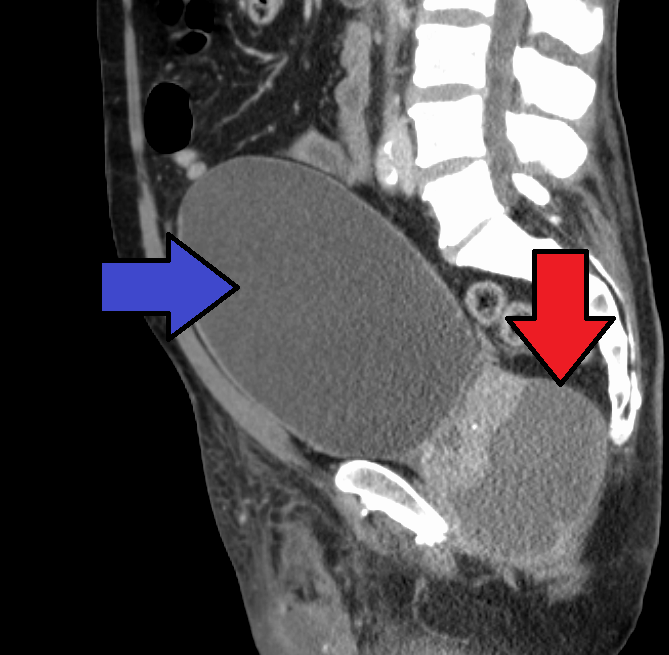
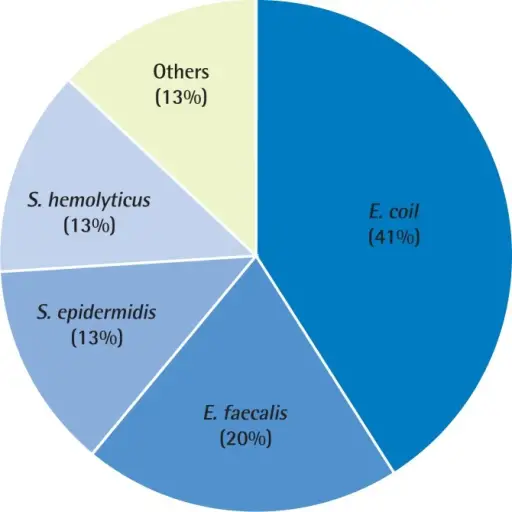
Acute prostatitis is a sudden prostate gland inflammation that is typically brought on by bacteria.
Common causes of acute prostatitis include:
- Neisseria gonorrhoeae
- Chlamydia trachomatis
- Pseudomonas
- Escherichia coli
Symptoms of acute prostatitis include:
- Dysuria
- Chills
- Fever
On the digital rectal examination (DRE), the prostate is soft and squishy.
White blood cells (WBCs) are seen in the prostate secretions, and the causing bacteria can be identified through culture.
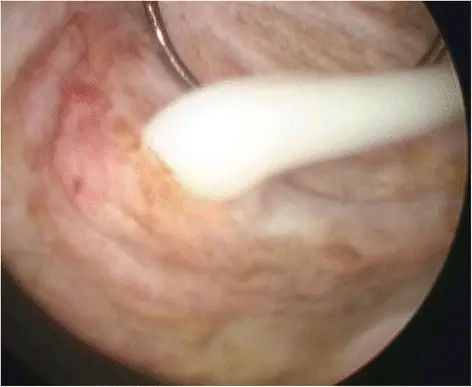
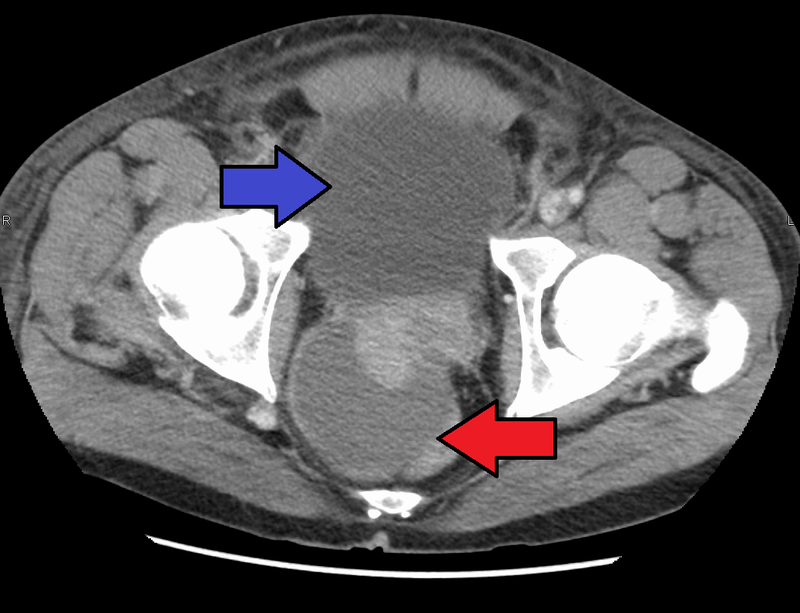 Acute Prostatitis. Abscess of the prostate (red arrow) resulting in urinary retention (blue arrow) James Heilman, MD - Own work Not altered. CC BY-SA 4.0
Chronic Prostatitis
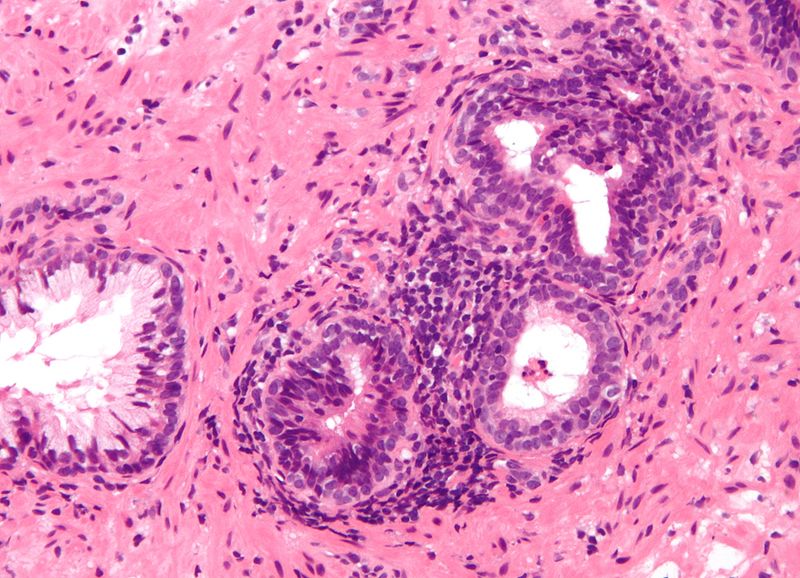
Chronic prostatitis is inflammation of the prostate that lasts for three months or more.
Symptoms of chronic prostatitis include:
- Dysuria
- Pelvic pain
- Low back pain
White blood cells are seen in the prostatic secretions, but cultures are usually negative.
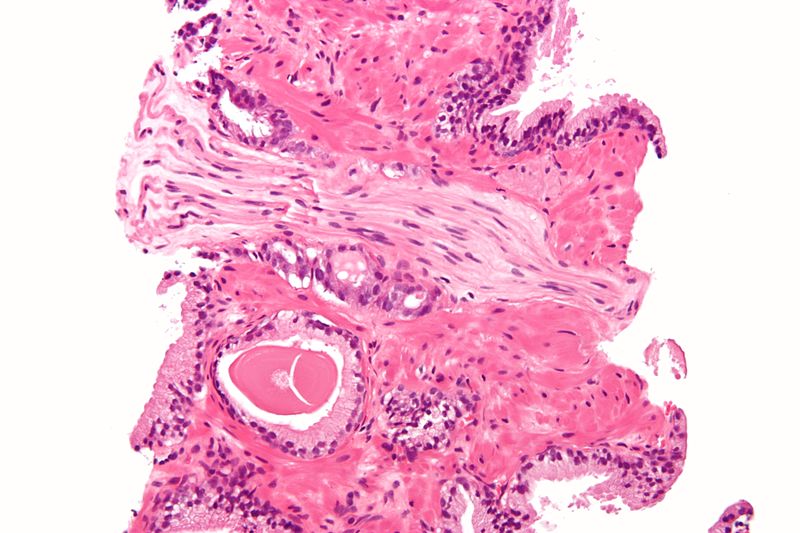
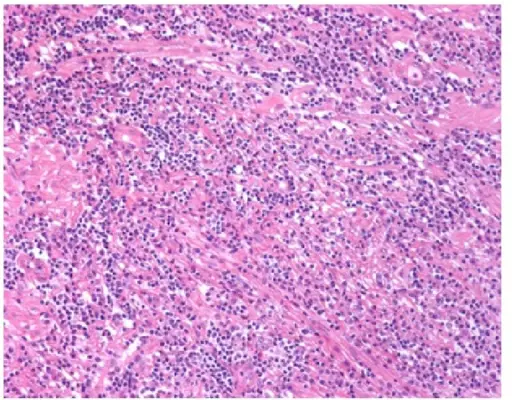 Low power view of IgG4-related prostatitis. The prostatic stroma shows a dense inflammatory infiltrate and fibrosis (H&E, 100x). IgG4-Related Autoimmune Prostatitis: Is It an Unusual or Underdiagnosed Manifestation of IgG4-Related Disease? Bourlon MT, Sánchez-Ávila M, Chablé-Montero F, Arceo-Olaiz R - Case reports in urology (2013). Not Altered. CC.
Benign Prostatic Hyperplasia (BPH)
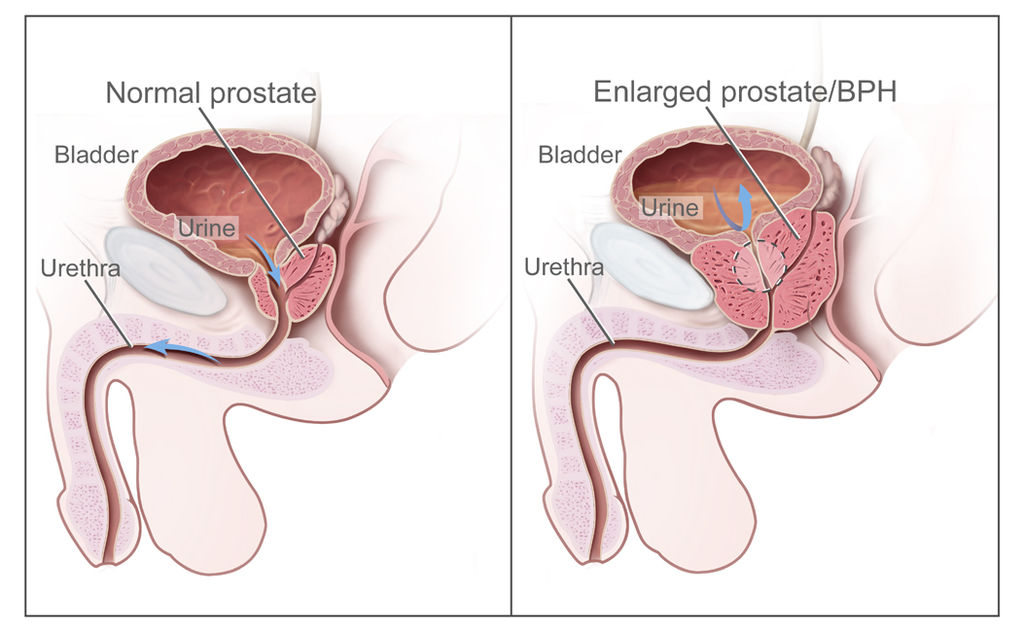
As men age, a condition known as benign prostatic hyperplasia, or enlargement of the prostate gland, becomes more prevalent.
Symptoms of benign prostatic hyperplasia (BPH) include:
- Hydronephrosis
- Poor bladder emptying
- Increased bladder infections
- Problems initiating urination
- Problems stopping urination
Dihydrotestosterone (DHT), a hormone that promotes the development of masculine traits (an androgen), is associated with benign prostatic hyperplasia (BPH).
Benign prostatic hyperplasia (BPH) may be treated with a 5-alpha-reductase inhibitor.
5-alpha-reductase inhibitors stop the conversion of testosterone into dihydrotestosterone (DHT).
Dihydrotestosterone (DHT) causes hyperplastic nodules to form in the prostate by interacting with the androgen receptor on stromal and epithelial cells.
Benign prostatic hyperplasia (BPH) may result in smooth muscle hypertrophy of the bladder wall that increases the risk of bladder diverticula.
Due to the increased number of glands, prostate specific antigen (PSA) is frequently only slightly elevated, typically less than 10 ng/mL.
The use of alpha-1-antagonists, such as terazosin, in the treatment lowers blood pressure by relaxing vascular smooth muscle in addition to smooth muscle in the body.
5-alpha-reductase inhibitor blocks conversion of testosterone to dihydrotestosterone (DHT) and takes months to produce results.
Side effects of medical treatment of benign prostatic hyperplasia (BPH) include:
- Gynecomastia
- Sexual dysfunction
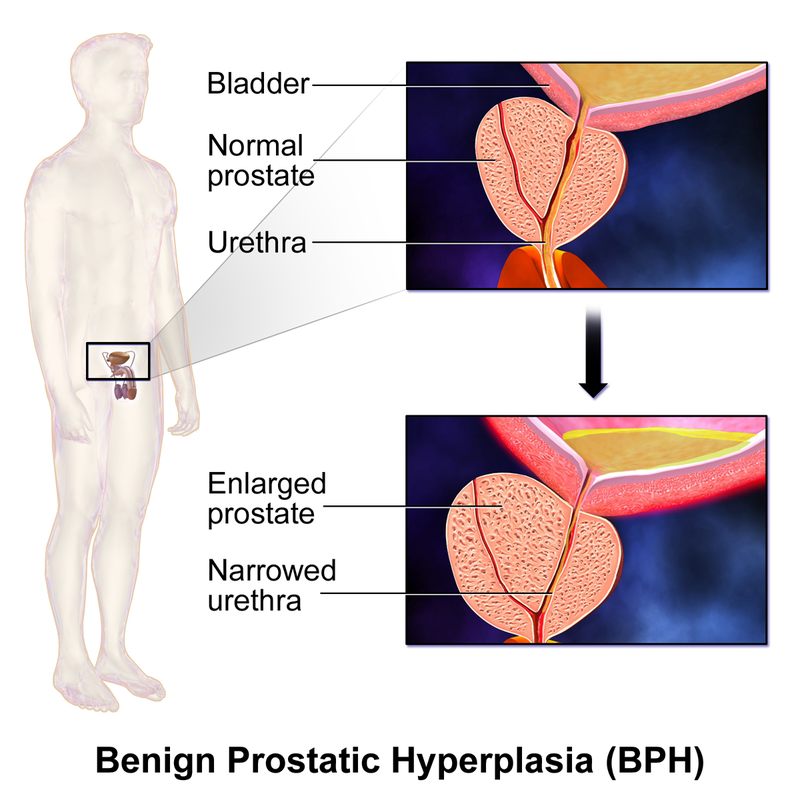 Benign Prostatic Hyperplasia. Benign Prostatic Hyperplasia (BPH). See a full animation of this medical topic. BruceBlaus - Not altered. CC BY-SA 4.0
Prostate Adenocarcinoma
Prostate adenocarcinoma is a type of cancer that starts in the gland cells of the prostate and affects only men.
Prostatic adenocarcinoma is the most common type of cancer in men and the second leading cause of cancer death.
Prostatic adenocarcinoma is typically asymptomatic.
Prostate specific antigen (PSA) and a digital rectal exam (DRE) are the first screening tools used when someone turns 50.
When normal serum prostate specific antigen (PSA) is 5.0 ng/mL for people aged 40 to 49, it is related to benign prostatic hyperplasia (BPH), whereas it is 5 ng/mL for people aged 70 to 79.
At any age, patients with prostate specific antigen (PSA) levels greater than 10 ng/dL are quite concerning.
Reduced free prostate specific antigen (PSA), which results in bound PSA, is symptomatic of malignancy.
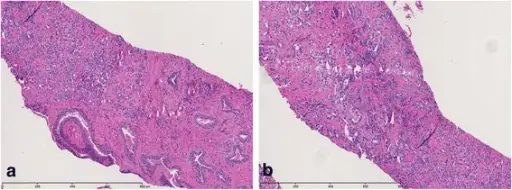
A prostate biopsy is necessary to confirm the existence of prostatic adenocarcinoma.
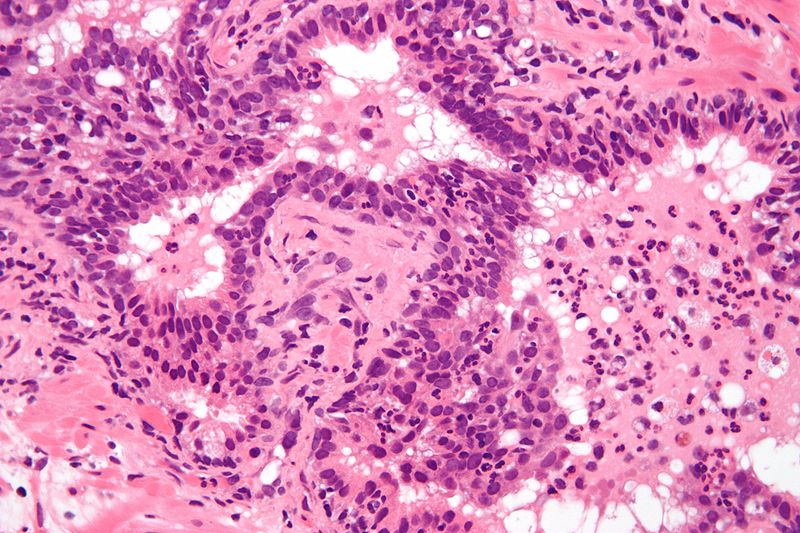
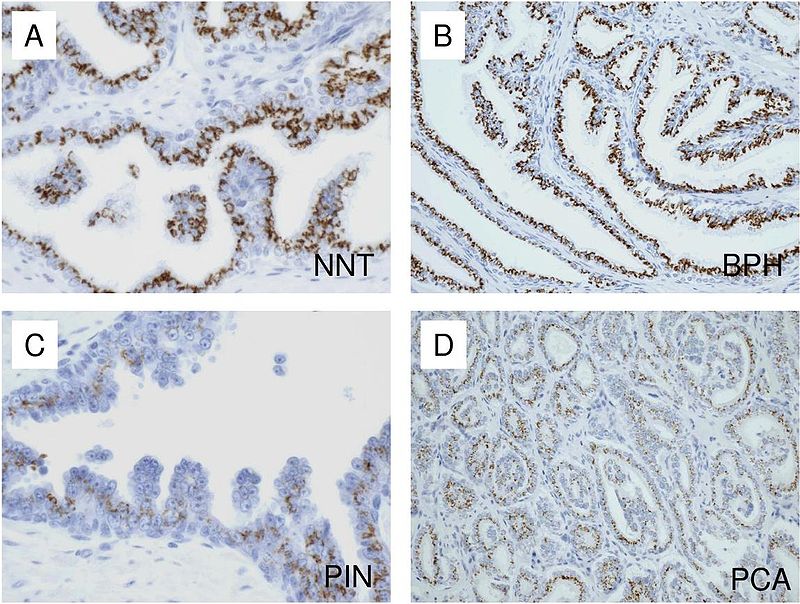
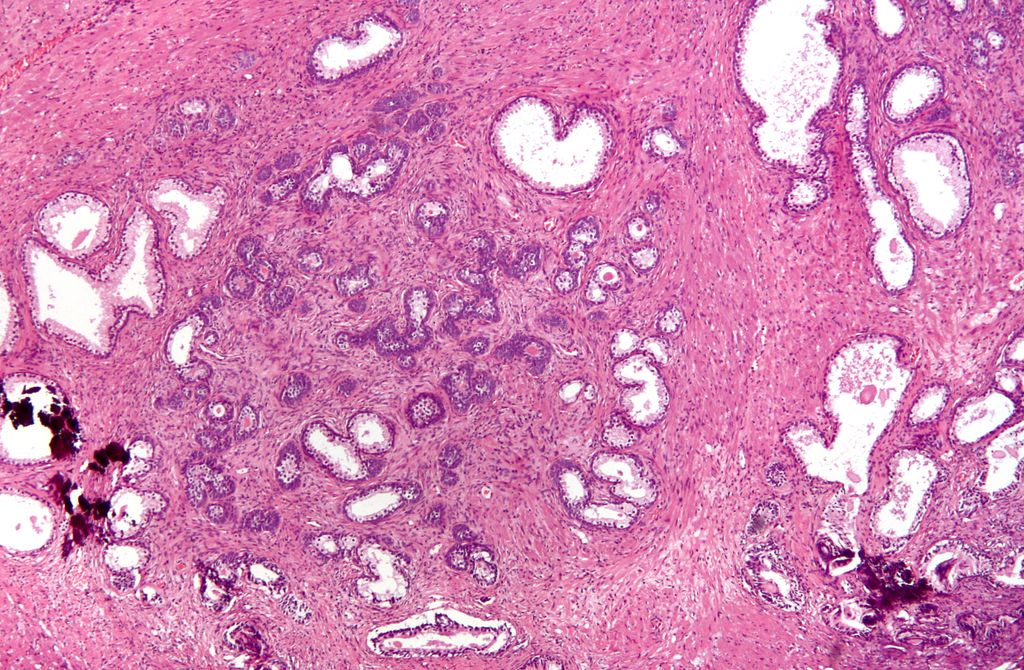
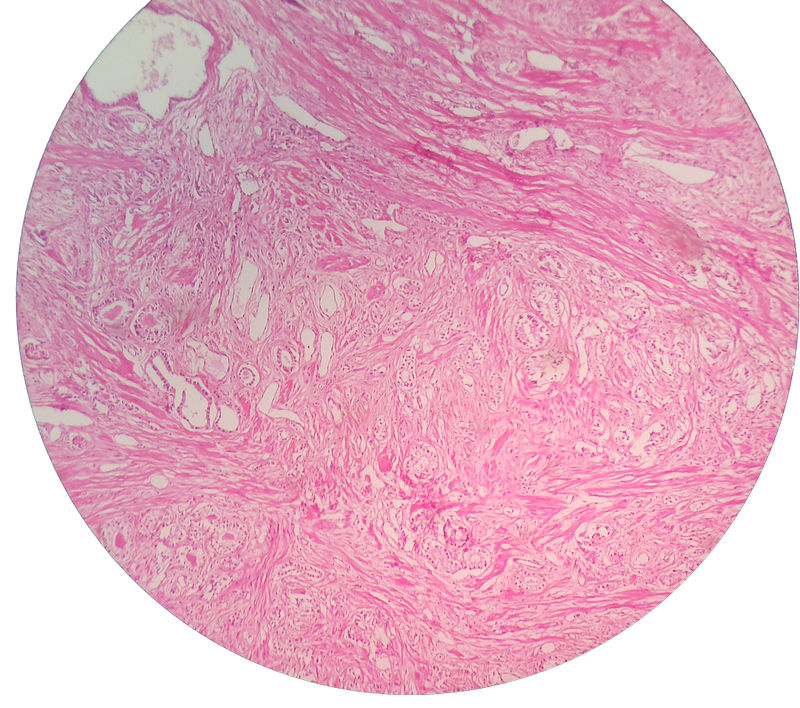
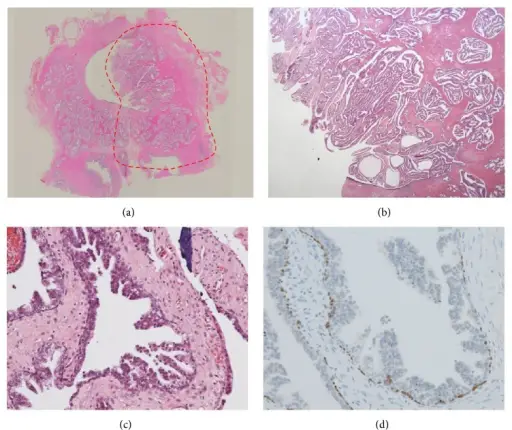
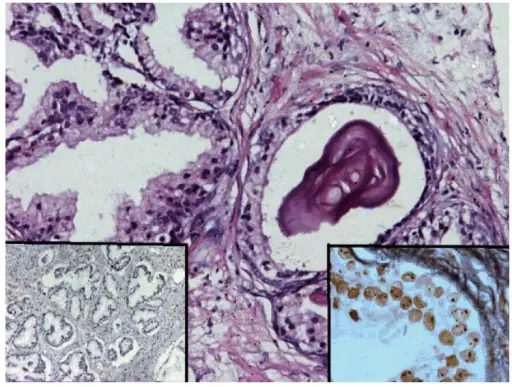
Histology of prostatic adenocarcinoma shows the appearance of tiny, invasive glands with noticeable nucleoli.
The Gleason grading method is used to describe prostatic adenocarcinoma.
Because tumor architecture differs from area to area, it is necessary to evaluate several tumor regions.
Two distinct regions each receive a score between 1 and 5, which are added together to yield an overall score between 2 and 10.
The higher the score, the worse the prognosis is.
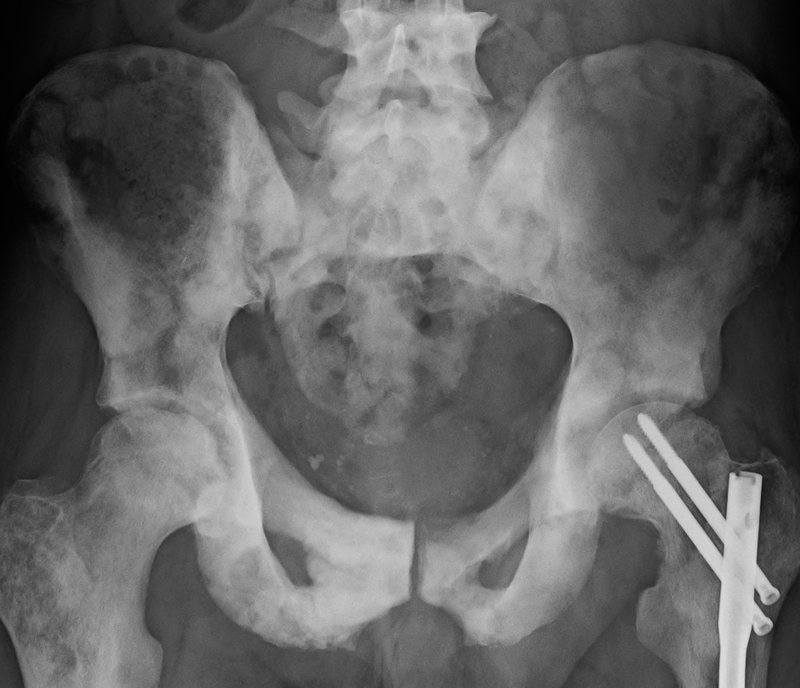
Prostatic adenocarcinoma may metastasize.
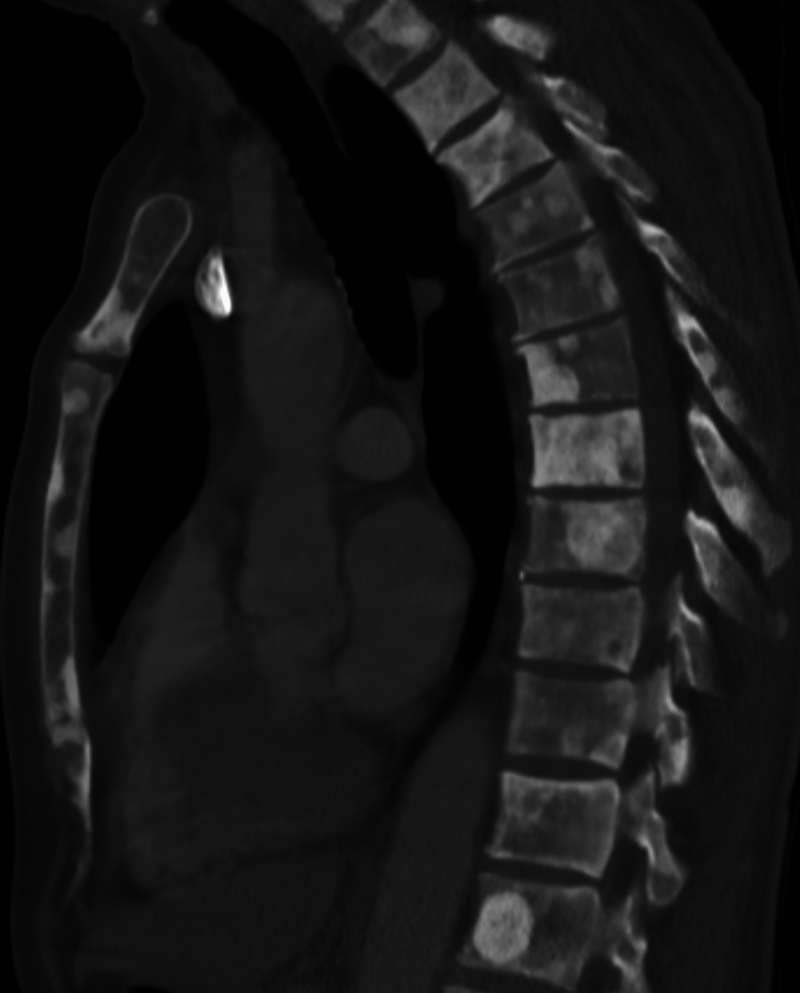
It frequently spreads to the pelvis bones or lumbar spine.
Low back discomfort and elevated levels of serum alkaline phosphatase, prostate specific antigen (PSA), and prostatic acid phosphatase (PAP) are the symptoms of osteoblastic metastases.
Localized disease is treated by prostate resection.
Hormone suppression is used to treat advanced disease and lower dihydrotestosterone (DHT) and testosterone levels.
Leuprolide, a continuous gonadotropin releasing hormone (GnRH) analog, causes the hypothalamus to shut down as luteinizing hormone (LH) and follicle stimulating hormone (FSH) levels fall.
The androgen receptor is competitively inhibited by flutamide.
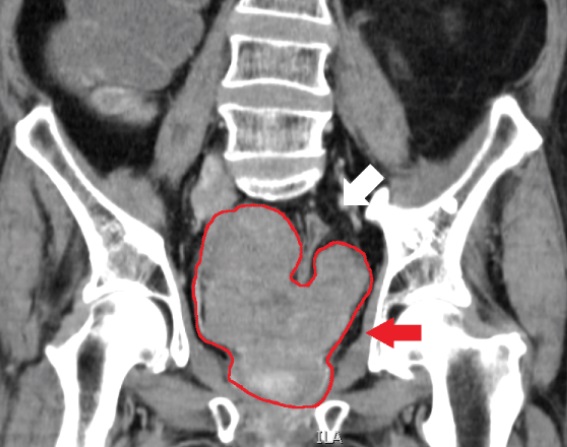 Prostate Adenocarcinoma. If already having grown large, a prostate cancer may first be detected on CT scan. Mads Ryø Jochumsen, Bjørn Agerbo Sahlholdt and Jørgen Bjerggaard Jensen. Not altered. CC BY 4.0