Pathology is the study of disease.
Pathology involves understanding structural, functional, biochemical, and molecular alterations that occur in diseased states at the genetic, cellular, tissue, organ, and patient level.
There are two major branches of pathology, which include:
- Anatomic pathology
- Clinical pathology
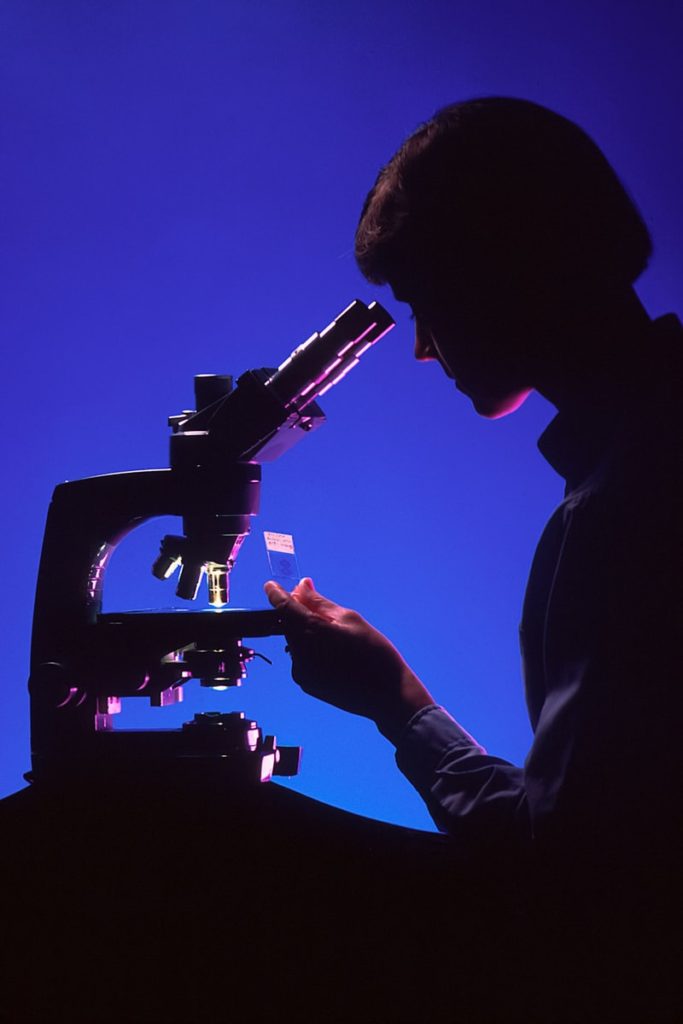
Anatomic Pathology
Anatomic pathology primarily focuses on making diagnosis of diseased states from tissue specimens such as biopsies.
Autopsy and forensic pathology also fall under the umbrella of anatomic pathology.
Clinical Pathology
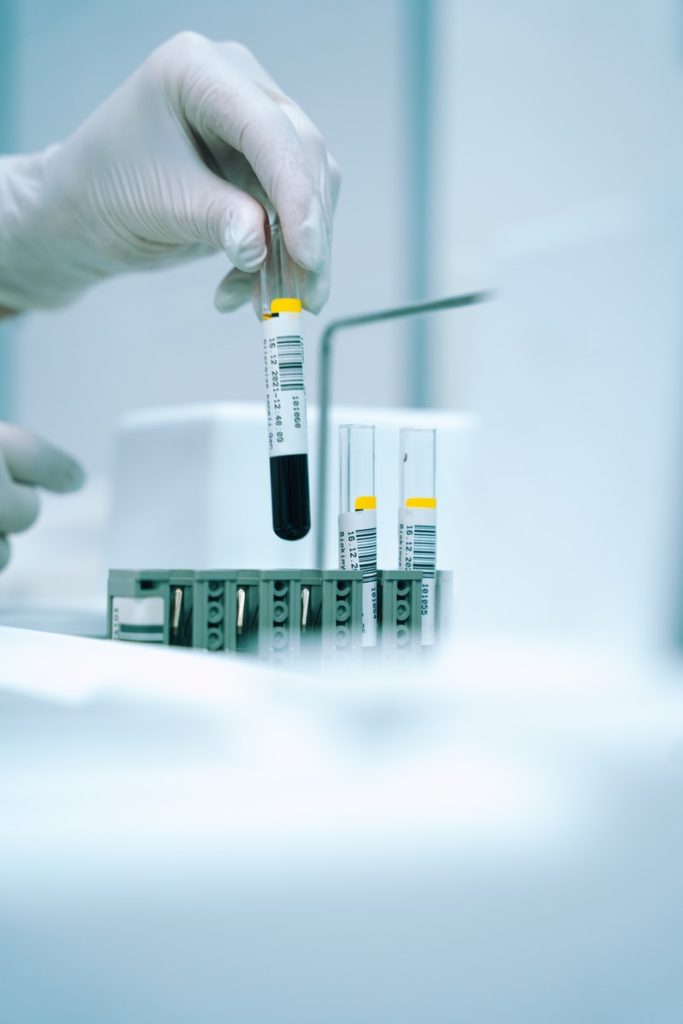
Clinical pathology is the branch of pathology that primarily focuses on tests that would be ordered by hospital personnel.
These include medical microbiology, clinical chemistry, blood banking, transfusion medicine and apheresis (where you see patients) just to name a few.
Regarding disease process from a pathology standpoint, there are four components to have a strong understanding of:
1. Etiology: The cause of the disease. These can be genetic or acquired.
- If genetic: polymorphisms, disease associated gene variants, or inherited mutations
- If acquired: chemical, physical, infectious, or nutritious
2. Pathogenesis: Sequence of steps from etiology that lead to the disease.
3. Histologic and Morphologic Changes: Structural alterations or cellular changes in the cells or tissue due to the disease. These changes may be characteristic or even diagnostic of the disease.
4. Clinical Manifestations: Signs and symptoms of disease.