Vascular pathology refers to disorders that effect the vascular system.
Key take home points to know about vascular pathology includes the following:
- Vasculitis Pathology Study Guide
- Hypertension Pathology Study Guide
- Arteriosclerosis, Aortic Dissection and Aneurysm Pathology Study Guide
- Vascular Tumors Pathology Study Guide
- Valvular Disorders Pathology Study Guide
The blood and lymphatic vessels that circulate through the body make up the vascular system, also known as the circulatory system. Blood is transported by the arteries and veins throughout the body, feeding and nourishing the tissues, and eliminating waste from the cells. Lymphatic fluid is transported through lymph vessels (a clear, colorless fluid containing water and blood cells). The lymphatic system contributes to the preservation and defense of the body’s fluid environment by filtering and expelling lymph from every part of the body.
The blood circulatory system’s vessels are as follows:
- Arteries, that deliver oxygenated blood to the body from the heart
- Veins, blood arteries that return blood to the heart from the body
- Capillaries, tiny blood capillaries that carry oxygen-rich blood throughout the body between arteries and veins
Blood is pumped from the heart and circulates throughout the body. The oxygen content of the blood when it leaves the heart through the arteries is high. In order to provide oxygen and other nutrients to the cells of the body’s tissues and organs, the arteries divide into progressively smaller branches. The oxygen and other nutrients enter into the cells when the blood passes through the capillaries, while waste products from the cells move into the capillaries. The veins that bring the blood back to the heart expand as it passes through them when it leaves the capillaries.
The vascular system serves as a key part of various physiological systems in addition to transporting blood and lymph throughout the body.
Examples comprise:
- Respiratory apparatus
- Mechanism for digestion
- The urinary system and kidneys
- Temperature management
Respiratory apparatus
Carbon dioxide is expelled, and oxygen is taken in as blood passes through the capillaries in the lungs. Through the lungs, the body releases carbon dioxide, and the blood transports oxygen to the body’s tissues.
Mechanism for digestion
Blood passes through intestinal capillaries during digestion and carries nutrients including glucose (sugar), vitamins, and minerals with it. The blood delivers these nutrients to the body tissues.
The urinary system and kidneys
The blood is filtered by the kidneys to remove waste products from the body tissues. The bodily waste then emerges from the body as urine.
Temperature management
The circulation of blood throughout the body helps the body’s temperature to be controlled. As the body’s tissues go through the processes of converting.
What is Vascular Disease?
A condition that affects the arteries and/or veins is referred to as a vascular disease. Vascular disease typically impairs blood flow, either by obstructing or weakening blood arteries or by causing harm to the vein valves. Vascular illness may cause harm to organs and other body parts by reducing or obstructing blood flow.
What Brings About Vascular Disease?
Vascular disease has several causes, including:
- Atherosclerosis
- Embolus
- Thrombi
- Inflammation
- Trauma
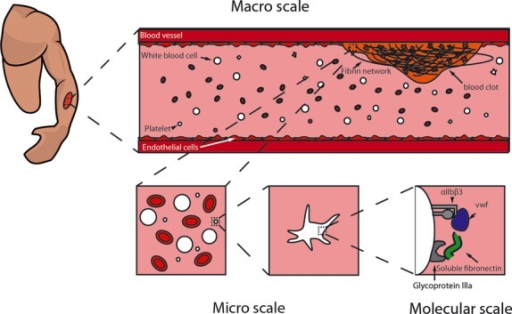 In vivo cartoon representation of the multiple scales at which haemostasis occurs. Biomechanics of haemostasis and thrombosis in health and disease: from the macro- to molecular scale. Tran R, Myers DR, Ciciliano J, Trybus Hardy EL, Sakurai Y, Ahn B, Qiu Y, Mannino RG, Fay ME, Lam WA - Journal of cellular and molecular medicine (2013). Not Altered. CC.
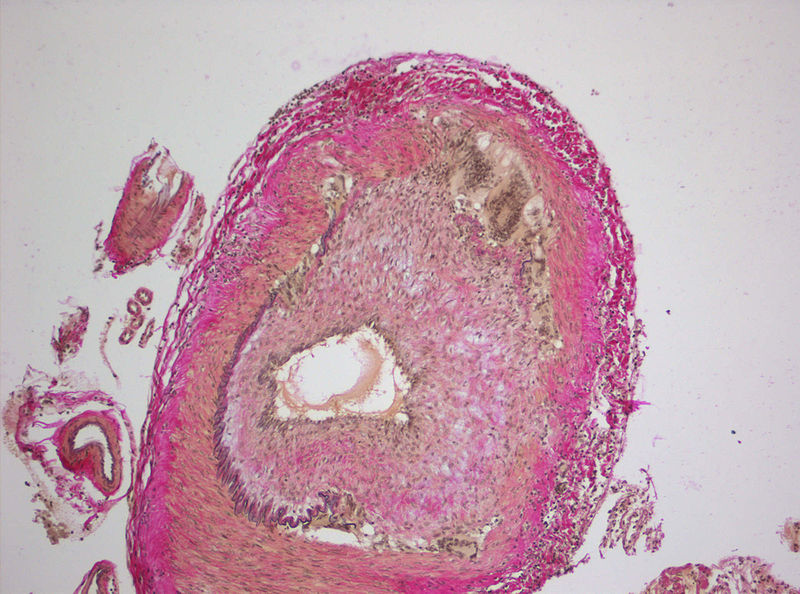
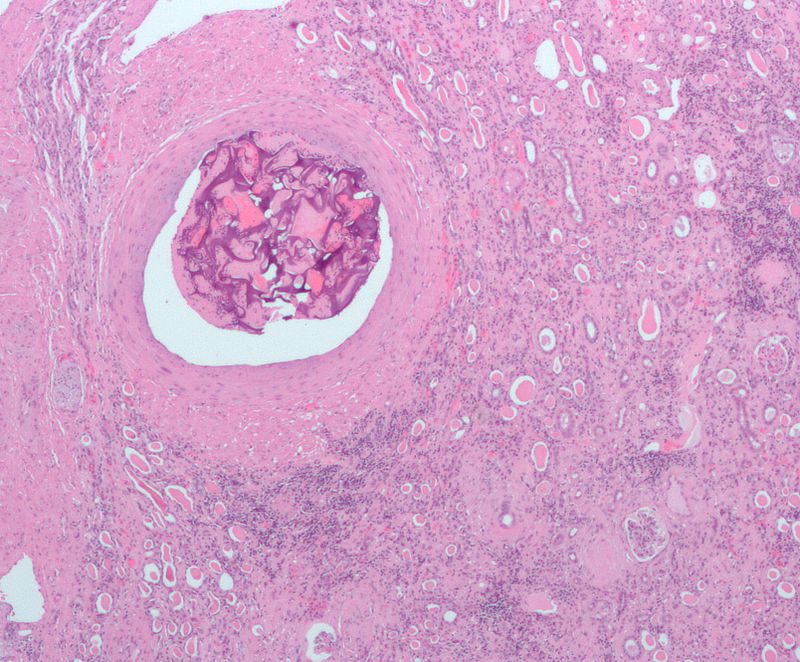
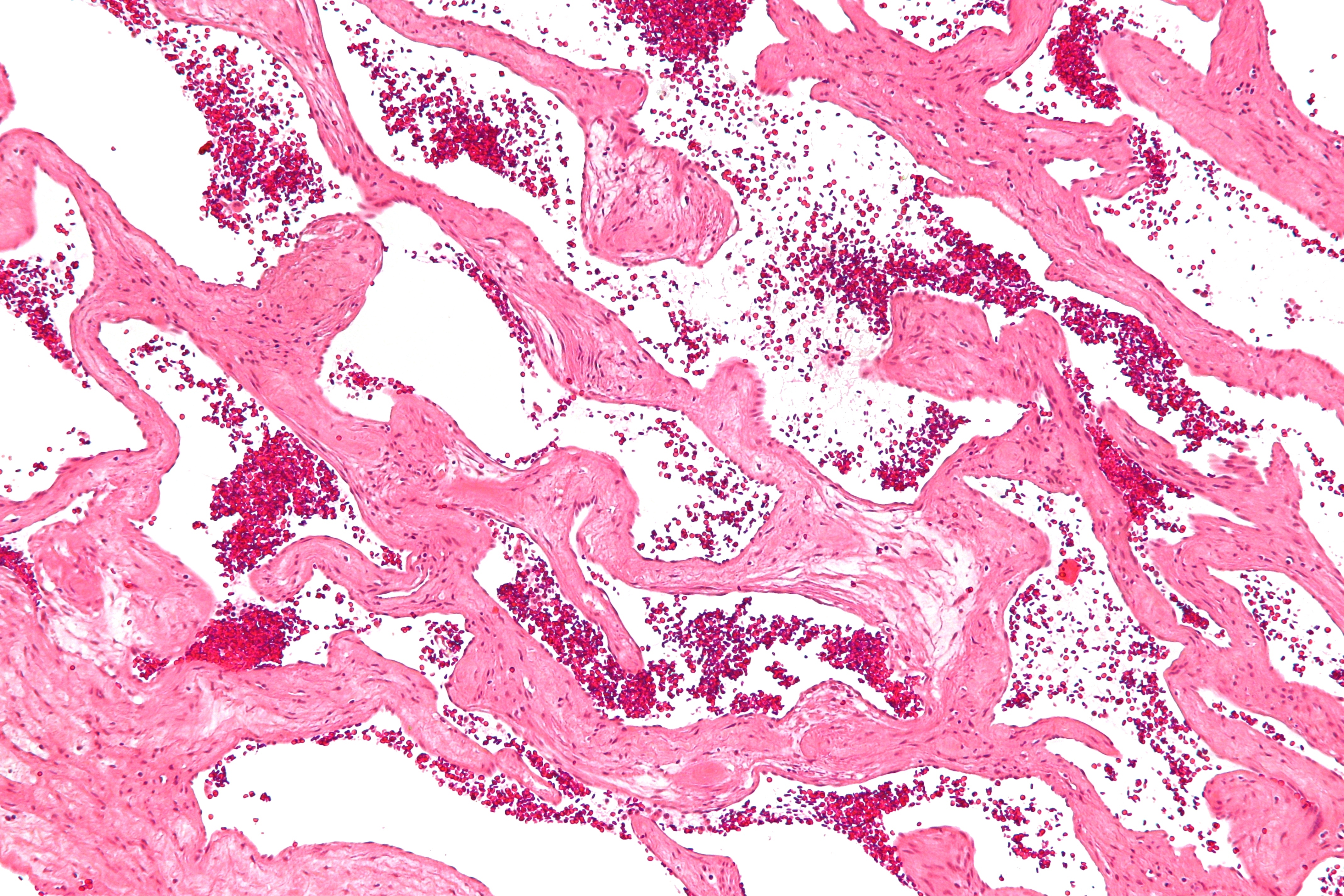
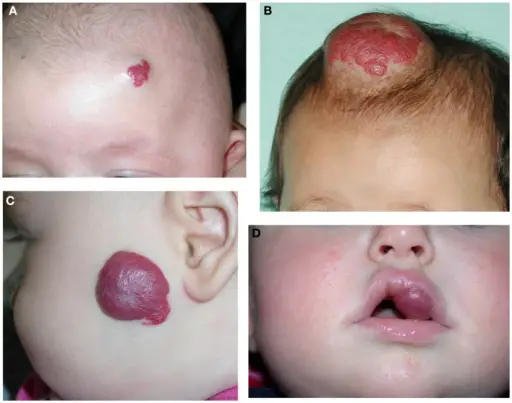
What Consequences Does Vascular Disease Have?
Conditions that affect the vascular system may have an impact on the part(s) of the body supplied by a specific vascular network, such as the coronary arteries of the heart, because the functions of the blood vessels include supplying all organs and tissues of the body with oxygen and nutrients, removing waste products, maintaining fluid balance, and other functions.
Examples of Vascular Disease’s Negative Impacts Include:
Cardiovascular disease
- Cardiac arrest angina (chest pain)
Cerebrovascular disease
- Transient ischemic attack
- Stroke
Peripheral arterial disease
- Critical limb ischemia (lack of oxygen to the limb or leg at rest)
- Claudication (lagging behind due of pain in the thigh, calf, and/or buttocks that occurs during walking)
Vascular disease of the great vessels
- Coarctation of the aorta
- Aortic aneurysm (e.g. thoracic aortic aneurysm or abdominal aortic aneurysm)
Peripheral venous disease
- Varicose veins
- Deep vein thrombosis
Lymphatic vascular diseases
- Lymphedema
Vascular diseases of the lungs
- Granulomatosis with polyangiitis
- Angiitis (blood vessel inflammation)
- Hypertensive pulmonary vascular disease
Renal (kidney) vascular diseases
- Fibromuscular dysplasia with renal artery stenosis
Genitourinary vascular diseases
- Erectile dysfunction due to vascularity (impotence)
Numerous medical specialties handle vascular disorders and diseases because they may simultaneously affect multiple bodily systems. To ensure that patients with vascular disorders receive complete care, specialists in vascular medicine and/or surgery collaborate closely with physicians in other fields, including internal medicine, interventional radiology, pathology, cardiology, and others.